


2ph | Exploring The Fascinating World of Simulation Games
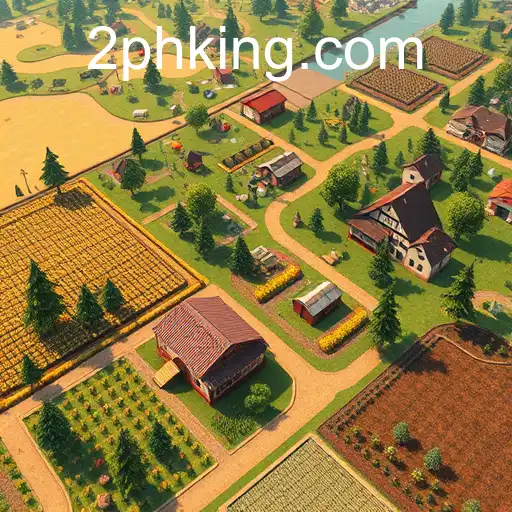
Simulation games have carved a niche for themselves in the sprawling universe of video games, appealing to a diverse array of gamers who relish the chance to experience a different reality. Whether you want to manage a vast metropolis, pilot airplanes, or even farm, simulation games provide a playground for imagination and strategy. The core allure of these games lies in their ability to mimic real-world activities, presenting complex scenarios that require players to make decisions, solve problems, and experience consequences akin to those in real life.
The sub-genre fluidly incorporates elements from other gaming types, offering an expansive spectrum of choices. Players may find themselves drawn to life simulation games, like the ever-popular Sims series, where they craft virtual societies and manage personal relationships. Alternatively, for those with a penchant for strategy, city-building games like SimCity allow players to construct and manage urban landscapes, requiring them to balance resources, maintain infrastructure, and ensure the happiness of their virtual citizens.
Unique to simulation games is the breadth of realism they can achieve with the aid of advancing technology. Developers continuously push the limits, enhancing game graphics and mechanics to deliver richer, more immersive experiences. This pursuit of authenticity is evident in simulation games like Microsoft Flight Simulator, which provides an almost true-to-life piloting experience, complete with real-world weather conditions and geographical accuracy.
Beyond entertainment, simulation games also serve as educational tools. They often simulate economic systems, environmental changes, or even medical procedures, providing users with insightful ways to understand complex systems. For instance, in environmental simulations, players might learn about climate management and sustainability by interacting with ecosystems that respond to their actions.
Perhaps the most intriguing facet of simulation games is their community-driven expansiveness. Engaged gaming communities frequently expand the horizons of these games by creating mods that introduce new elements or entirely new worlds, invigorating the base game with fresh content and opportunities.
Overall, the simulation game genre continues to thrive, continually evolving as players seek new worlds to explore and transform through the screen of interactive experiences.
